THE CAMPING EDIT / BUYING INTELLIGENCE — A research-led guide for family campers in Britain. Updated 30 October 2026.
Ad / affiliate disclosure: This guide includes a link to Amazon UK. As an Amazon Associate I earn from qualifying purchases. Our advice and product quality standards remain independent of commissions.
A four-person tent sounds as though it ought to sleep four people comfortably. Sometimes it does. But add a pair of children, wet coats, muddy shoes, sleeping mats and a few days of British weather, and the difference between a tent that technically accommodates four and one that is enjoyable to live in becomes obvious.
Buying a family tent is not just about how many people can lie down inside it. The useful questions are more practical: where will everyone change clothes when it rains? Can you get out at night without stepping on somebody? Is there enough headroom for an adult to stand? What happens if the sun wakes the children at five in the morning? And can you pitch the thing without sacrificing your first afternoon?
There is no single best family tent for everyone. A compact four-person weekend shelter may suit a couple with one small child; a family spending ten days in Wales may prefer a larger living area, even if it costs more and takes longer to pitch. Here is a straightforward way to narrow the choice without being distracted by marketing claims.
1. Start with the people, not the berth number
A tent’s berth number generally describes how many people its sleeping area is designed to hold. It does not tell you whether the layout will fit your chosen mattresses, whether you can walk around them, or where a week’s clothing is meant to go. The Camping and Caravanning Club advises considering the sleeping capacity alongside the living space when choosing a tent for longer trips.
Our practical rule is to draw your actual sleeping setup. Measure the dimensions of every air bed, sleeping mat or camp bed. Lay those measurements over the manufacturer’s bedroom plan, allowing space around the door and between beds. A bedroom that looks huge in a brochure may feel much smaller when you’ve put down two full-width double air beds.
In a family of four, going up to a five- or six-berth tent can create breathing room. But bigger isn’t automatically better: campsites may have pitch-size restrictions, the packed tent needs to fit in the car, and a larger structure catches more wind. Choose extra capacity for a reason, not as a reflex.
The bedroom checklist
- Width: Can the actual mattresses fit without pressing hard against the tent walls?
- Length: Are taller family members clear of sloping fabric at the foot of their beds?
- Dividers: Would two separate sleeping compartments make nights easier, or would one shared bedroom work better for younger children?
- Access: Can everyone reach the exit in the dark without climbing over someone else?
- Privacy: Are windows or doors positioned where the neighbouring pitch could look directly inside?
These small details matter more over a full holiday than a headline capacity figure.
2. Treat the living area as part of your bad-weather plan
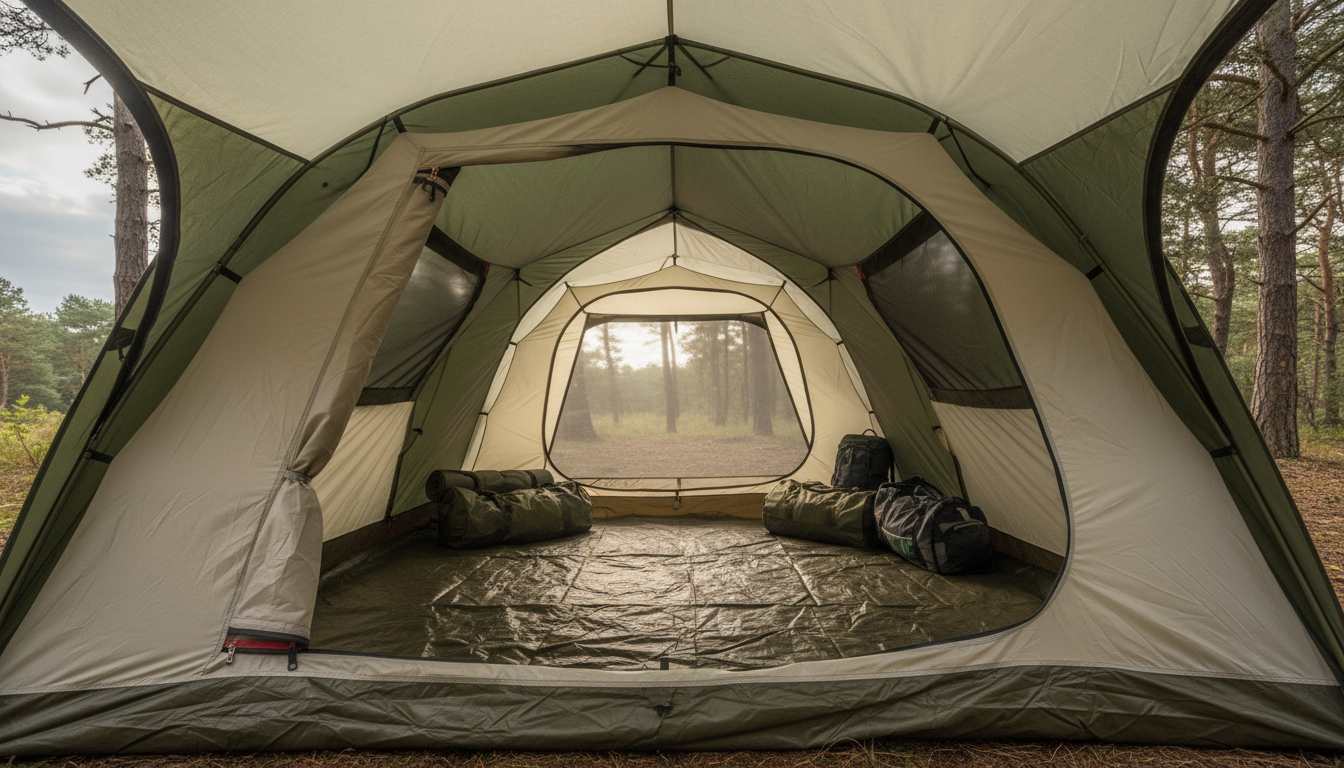
When the sun is out, the living area feels like a luxury. When it rains for most of an afternoon, it becomes the centre of the holiday. A useful family living space needs to accommodate chairs or a table, provide somewhere to take off wet footwear, and allow people to move around without constantly stepping over the equipment.
Check the floor area in square metres, but read it alongside the shape. A generous figure is less helpful if half the area has steeply sloping walls. Similarly, a long tunnel tent may offer excellent internal room while requiring a larger, more regular pitch than a dome tent.
Think about doors. Can you enter without dragging rain over the bedroom threshold? Can you open a sheltered side entrance when the wind changes direction? If the tent has a porch, is it part of the weather-protected structure or an optional extension that needs extra poles? These are worth checking on a real floor plan and in the pitching instructions, rather than assuming that every photographed awning comes in the box.
Families with younger children may also appreciate a defined dry zone for shoes and waterproofs. Put a waterproof mat by the entrance and keep clean sleeping kit further back. A tent with an integrated groundsheet is convenient for this, but it still needs adequate ventilation.
3. Understand waterproof ratings without worshipping the number
One of the first numbers you’ll see in a tent listing is the hydrostatic head, usually given in millimetres. It is a measure of how much water pressure the fabric can resist under a particular test. A higher number can be reassuring, but it does not by itself prove that the finished tent will remain dry in every storm.
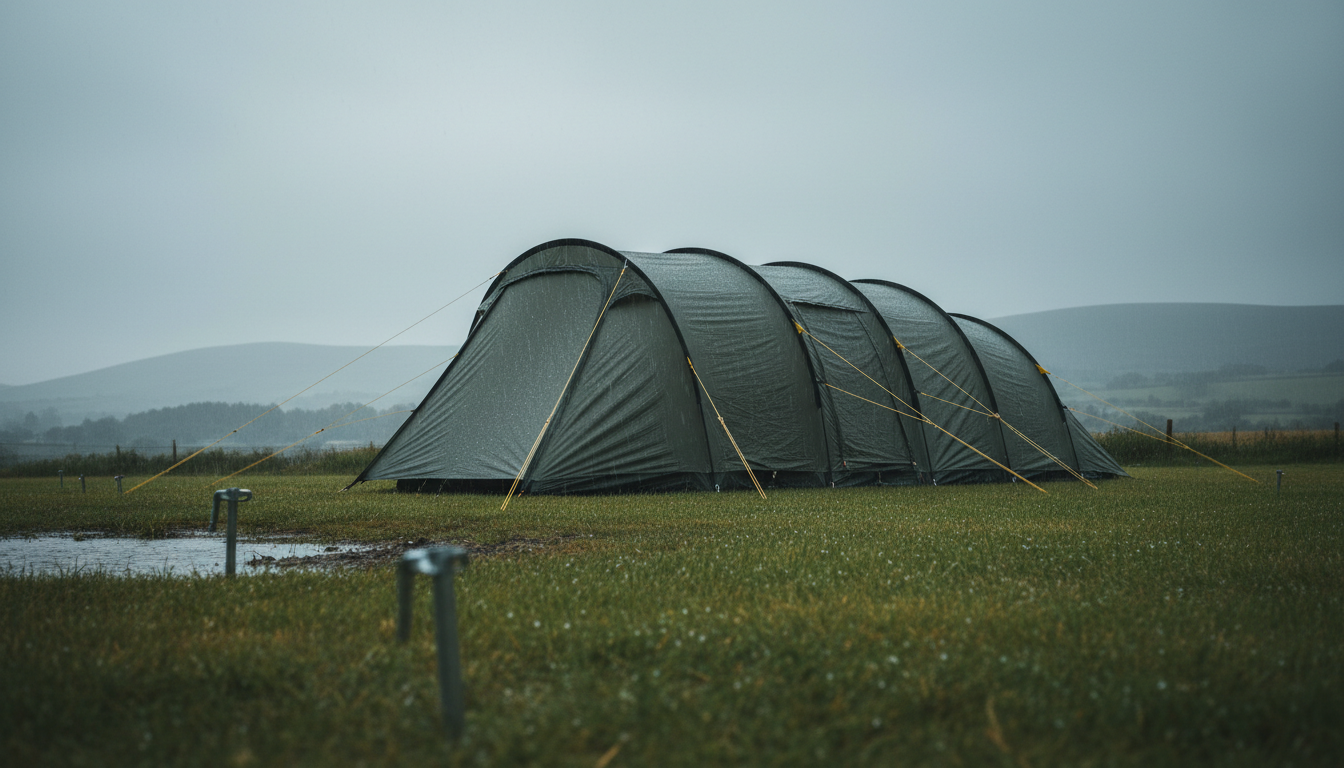
As the Camping and Caravanning Club explains, leaks can come from seams, doors, zips and groundsheets, even when the flysheet fabric itself is waterproof. Check that seams are taped or otherwise sealed, that the groundsheet joins sensibly to the flysheet, and that the doors have a design that directs water away from the inside. Look at how the flysheet is tensioned and what happens when the wind blows rain sideways.
For British holidays, I’d prioritise a sound, weather-appropriate tent design over buying purely by the highest numerical waterproof rating. A well-pitched tent with intact seams, appropriate pegs and correctly tensioned guylines is much more useful than an impressive rating on a poorly installed shelter.
Also remember the ground below you. A tent pitched in a depression can end up surrounded by pooling water, however well the fabric performs. Choose firm, relatively level ground and check the campsite’s drainage and exposure. Never rely on a tent to protect you from lightning or severe weather: seek proper shelter when conditions warrant it.
4. Blackout bedrooms: useful, but not magic
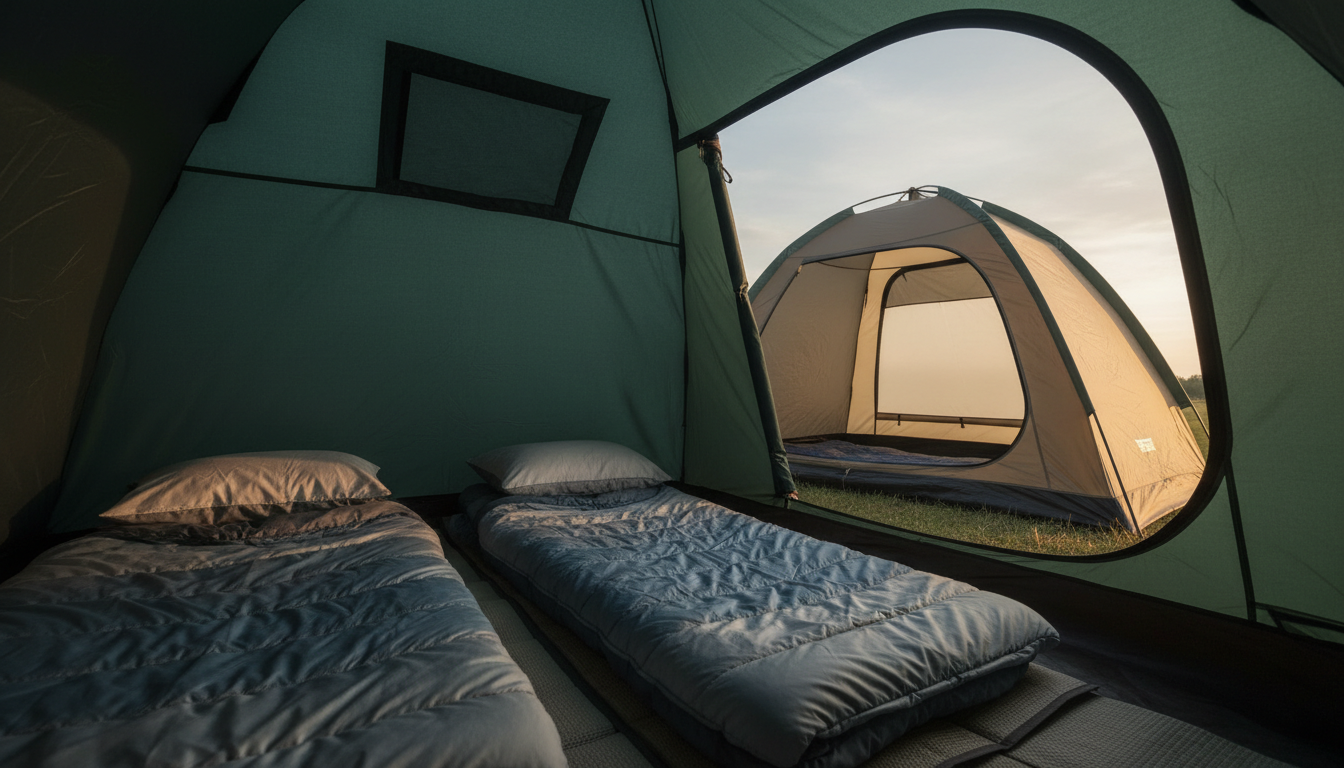
Blackout bedroom fabric has become a popular feature of family tents, and it’s easy to see why. During British summer holidays, daylight can arrive very early. Reducing the light entering a sleeping compartment may help children and light sleepers stay asleep longer, particularly on a campsite where everyone is otherwise awake with the birds.
Manufacturers use different materials and construction methods. Check whether the quoted blackout performance applies only to the bedroom fabric, how it was measured, and whether the ventilation panels or doors still admit some light. The temperature inside the tent also depends on the weather, sun exposure, airflow and pitching position. No fabric can guarantee a cool bedroom during a hot spell.
For a weekend where you plan to be up at dawn, blackout fabric may be less important than weight or setup speed. For a summer family holiday, it might be one of the features that genuinely improves everyone’s mornings. It’s worth paying for if it solves a real problem for your household.
5. Ventilation is just as important as waterproofing
Warm breath, damp clothing and cool night-time surfaces are a familiar recipe for condensation. This moisture can appear inside a perfectly waterproof tent and sometimes be mistaken for a leak. Look for high- and low-level vents, breathable inner fabric, mesh panels and ways of keeping air moving while limiting rain entry.
A fully sewn-in groundsheet helps keep insects and splashed water out, but good ventilation matters even more when the interior is enclosed. In colder weather, moisture from people and wet equipment still needs somewhere to go. Never block essential vents in an attempt to retain heat.
Camp cooking deserves its own safety rule: never use a gas stove, charcoal barbecue, disposable barbecue or fuel-burning heater inside a tent or enclosed awning. Carbon monoxide can be fatal and is not reliably detectable by smell. Prepare meals in an appropriate, well-ventilated outdoor location, observing campsite rules and the stove manufacturer’s instructions. See the NHS advice on carbon monoxide poisoning.
6. Choose between poles and inflatable beams based on how you’ll travel
Traditional pole tents can be robust and economical, but may involve a more complicated pitching sequence. Inflatable-beam tents eliminate most rigid pole assembly and often make the basic structure quicker to raise, although they can be expensive, heavy and dependent on a compatible pump and working valves.
Neither format escapes the fundamentals: you still need to peg out the tent correctly and tension the guylines. If your camping trips involve short two-night stays, you’ll feel every extra ten minutes of setup. If you’re usually in one place for a week, more space may be worth a slower pitch.
Before buying, watch an independent pitching demonstration of the exact model where possible. If that isn’t available, read the manufacturer manual from start to finish and look carefully at the sequence: is it pitch-in-one, outer-first or inner-first? How many people does it realistically require? Can one adult manage the critical stages while someone looks after the children?
7. Packed dimensions are part of the buying decision
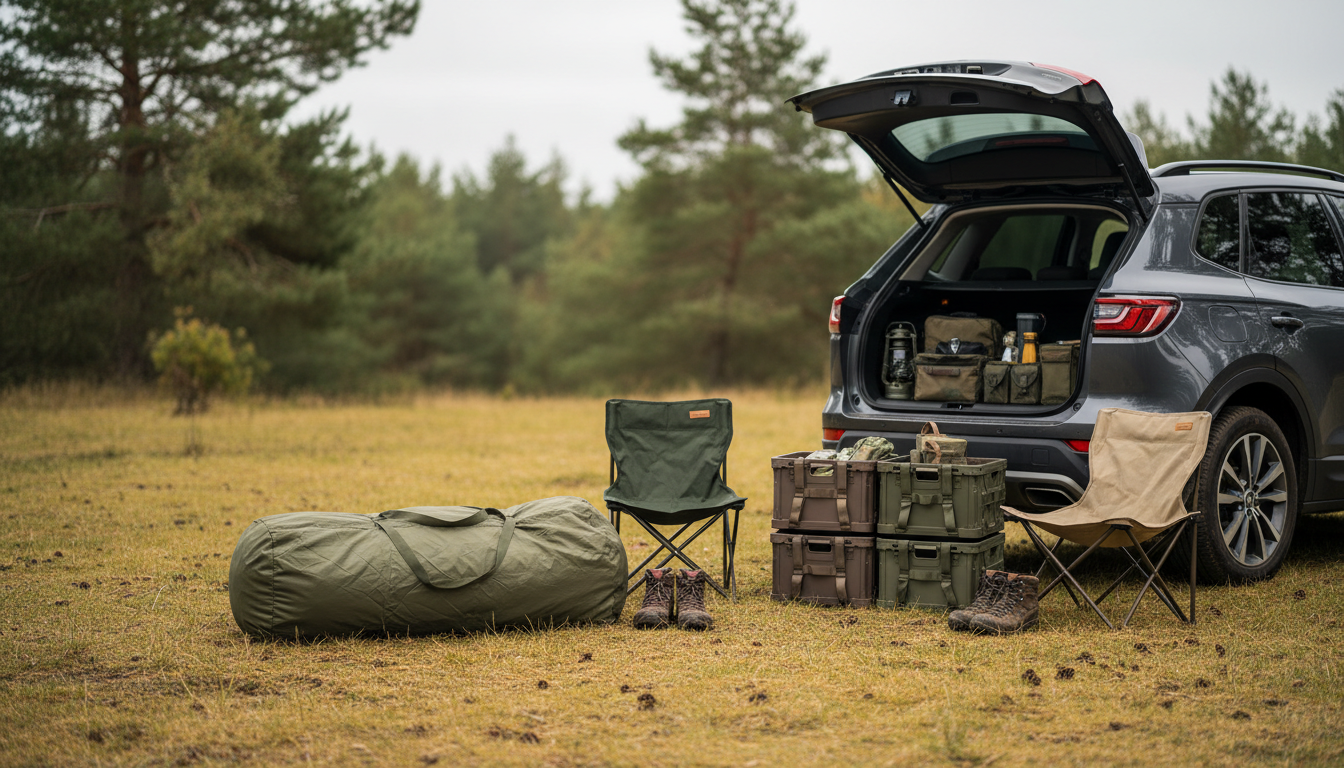
A large family tent can be a pleasure once it is erected and a nuisance every time it has to be moved. Check three measurements: total packed weight, packed length and packed girth. That last one matters when you’re trying to stack camping gear beside a pushchair, food box and children’s bags in a boot.
Think about how far you’ll carry the bag. A weight of eighteen kilograms might be entirely reasonable between the car and a nearby camping pitch, but far less attractive on a long approach across uneven ground. Consider the handles and storage bag, too. A well-sized bag that allows the wet tent to be packed without a wrestling match is a feature you’ll appreciate on departure day.
At home, the same dimensions determine where the tent lives and how easily it can be dried after a wet trip. Do not store a damp tent in a compressed bag for weeks; pitch or hang it to dry thoroughly and inspect the fabric and seams before packing away.
8. Check the practical details manufacturers don’t put in the headline
After you’ve narrowed the choice to two or three models, look beyond the marketing photograph. Work through a short comparison of all the things that can make a good holiday easier:
- Replacement parts: Are poles, air beams, valves or compatible spares available in the UK?
- Door arrangement: Is there a sheltered entry and enough clearance for people coming in wearing waterproofs?
- Groundsheet: Is it sewn in, removable or separate, and does that meet your needs for cleaning and insects?
- Storage: Are there pockets, hanging points and somewhere to keep shoes away from bedding?
- Bedroom flexibility: Can you remove or divide an inner room if family sleeping arrangements change?
- Rain pitching: Will the inner tent remain protected while you get the flysheet up?
- Pitch size: Does the overall footprint fit the campsite’s stated pitch limits, with enough space for guylines?
- Warranty and repair: What support does the manufacturer provide if something fails?
No product needs to win every category. The aim is to understand what you are trading away. A lighter tent may have less living space. A large family tunnel tent may offer excellent comfort but take longer to dry. A blackout bedroom may be valuable, while a panoramic window is nice rather than essential.
9. Case study: what the Coleman Oak Canyon 4 BlackOut tells us on paper
To show how the process works, let’s take a real model: the Coleman Oak Canyon 4 BlackOut, manufacturer SKU 2212622. This is a specification-based example, not a hands-on review or an endorsement. We have not physically tested the tent, and its Amazon customer-review eligibility is not yet verified.
On Coleman’s current UK product sheet, the tent has four berths, two sleeping rooms, a living area and a tunnel-style layout. The published overall dimensions are approximately 4.9 metres long by 2.8 metres wide, with a listed peak height of 2 metres and 190 centimetres of standing headroom. Its packed dimensions are 74 by 34 by 34 centimetres, and the listed weight is 18.3 kilograms.
Coleman specifies a 4,500-millimetre water-column rating, taped seams, a fully integrated PE groundsheet and a combination of steel and fibreglass poles. The manufacturer also says its BlackOut bedroom fabric blocks up to 99% of daylight. Those facts provide a useful starting point, but they do not establish independent performance in wind, driving rain or long-term family use.
What can we infer? At more than eighteen kilograms, it’s intended for car-based camping rather than multi-day backpacking. The bedroom separation could appeal to families who value privacy. The living area and standing headroom are worth comparing with your actual table and chair setup. The blackout design may interest parents who have experienced very early campsite mornings.
And what would still need checking? The exact size of each sleeping compartment with your mattresses, the practical ease of pitching, door layout in sustained rain, replacement parts, the current price and availability, independent feedback on durability, and the experience of campers using this particular version. The manufacturer also has similar Oak Canyon variants with different stated specifications, so matching the correct SKU matters.
You can inspect the manufacturer’s Oak Canyon 4 specification sheet. This is an ordinary reference link, not an affiliate link.
10. Match the tent to the sort of holiday you actually take
For a short summer weekend, quick pitching, manageable packing and good ventilation might outweigh an expansive living area. For a week in a wetter region, the sheltered entry and space to spend time indoors become more important. For campsites where pitches are compact, the overall footprint and guyline space may rule out an otherwise attractive design.
If your family mostly camps between late spring and early autumn, check the tent’s stated intended season and temperature range. A large tent will not, by itself, make cold nights warm. Sleeping bags, mats, appropriate clothing and site conditions are separate parts of comfort. In autumn or exposed locations, keep a close eye on the forecast and follow the manufacturer’s suitability advice. Sometimes the correct decision is not to camp in the expected conditions.
We recommend writing down the top three things that regularly frustrate you on trips. Perhaps it is early sunlight, wet shoes scattered in the bedroom, or a cramped area for breakfast. Buy a tent that fixes those problems. A feature you use every day will be worth more than a long list of extras you never notice.
11. A quick family tent buying worksheet
Before opening another product page, answer these questions. You can copy the answers into a note and use the same criteria to compare every tent you consider:
- How many adults and children will normally sleep inside, and what are the exact dimensions of their beds?
- How many consecutive nights are our typical trips?
- How much dry living space do we need when it rains?
- Do we need separate bedrooms or a removable divider?
- Would blackout fabric materially improve sleep?
- What is the maximum tent footprint permitted at our usual campsites?
- Can one adult pitch it, or will two people be available?
- What weight and packed dimensions can we comfortably transport?
- Are replacement poles or beams available, and what warranty applies?
- Which two compromises would we accept to stay within budget?
If you can answer those honestly, you’re already in a better position than someone shopping only by price, star rating or the number of people in a product title.
Browse family tents on Amazon UK
If you want to compare what’s available now, you can browse family tent listings on Amazon UK (paid affiliate link). This opens a general selection, not a list of products individually tested, approved or endorsed by The Camping Edit. Check the exact model, retailer information, specifications and independent reviews before purchasing.
12. Before leaving for your first trip
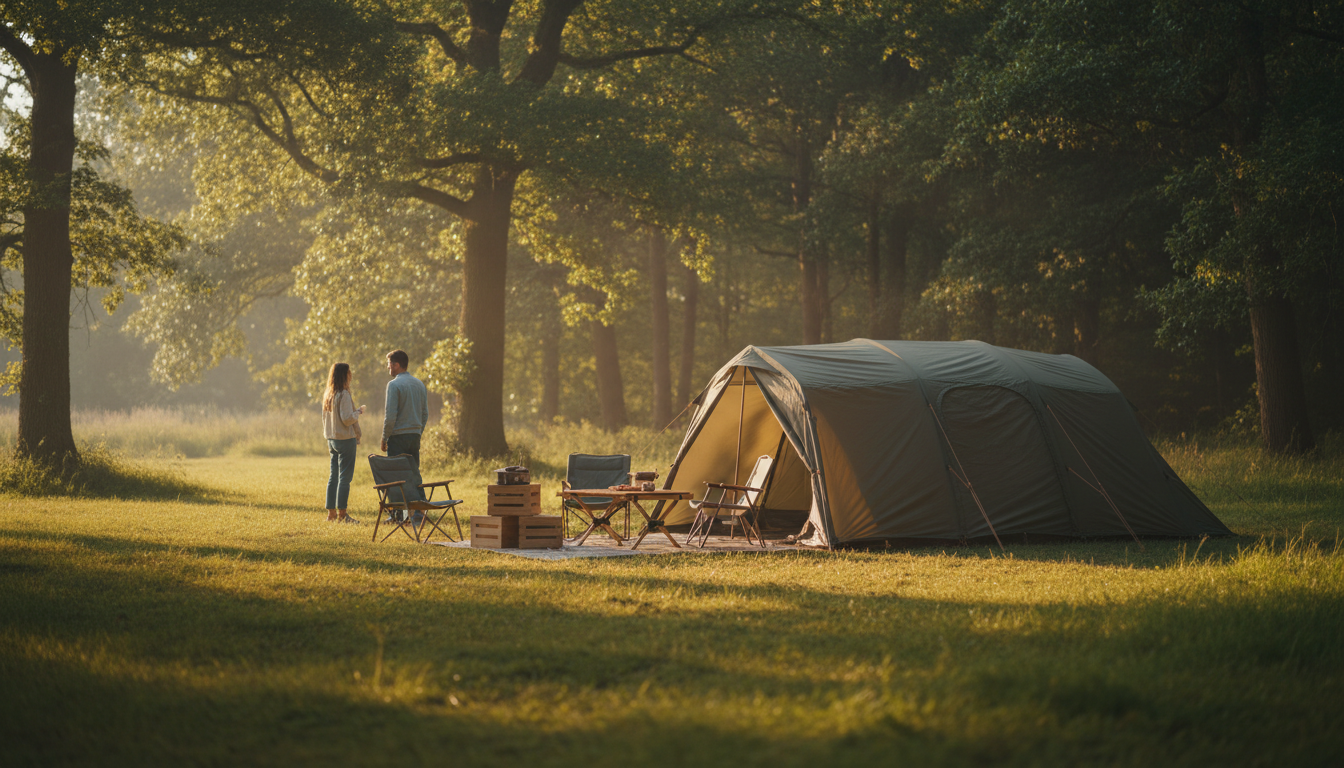
Pitch a newly purchased tent at home or somewhere suitable before the holiday. Make sure all poles, valves, pegs, inner rooms and guylines are present; learn the order of assembly; and check the groundsheet and flysheet for damage. Practice taking it down too. The first time you discover a missing pole section should not be on a wet campsite after sunset.
Check a trustworthy forecast for your actual location, including overnight temperatures, rain and wind, and consider the campsite’s exposure and drainage. The Met Office’s camping advice for wet and windy conditions offers useful practical precautions. If severe wind or thunderstorms are expected, make a safer plan rather than assuming the tent’s waterproof rating is protection against every weather hazard.
Finally, remember that the tent is only the shelter. Good sleeping mats, appropriate bedding, sensible food storage, spare dry clothes and safe outdoor cooking make up much of the actual camping experience.
Our verdict: choose for the holiday, not the brochure
The right family tent makes camping feel easier. You can sleep properly, enjoy the space, pack everything away without a struggle and still be comfortable when the British weather refuses to cooperate. Look closely at the floor plan, not just the capacity; understand the waterproofing details, not just the number; and consider how you’ll use the tent in real conditions.
We’ll continue building practical, research-led comparisons at The Camping Edit, and recommend specific products only after they’ve passed our editorial checks. In the meantime, visit our Weather & Gear Planner guide for a worked example of matching equipment choices to the conditions you’re likely to encounter.
References and further reading
- The Camping and Caravanning Club: Expert Guide to Buying a Tent (updated 12 October 2026).
- The Camping and Caravanning Club: How to Pitch a Tent.
- Met Office: Camping in Wind and Rain.
- Coleman UK: Oak Canyon 4 BlackOut (SKU 2212622).
- NHS: Carbon Monoxide Poisoning.
Editorial note: This article provides research-led buying advice and does not claim firsthand testing of the Coleman tent. The Amazon link is a broad search link rather than a specific product endorsement. All statements about specific models should be rechecked when publication is approved.


Leave a Reply